
Fragile Neighborhoods and Community Interdependence
A Coffee Break Conversation with Seth Kaplan
Have you ever looked around your neighborhood and wondered what is holding you together, or what might be pulling you apart? We often treat massive social issues like loneliness or polarization as national problems that require top-down solutions. But what if the real crisis is simply that our local communities have become disconnected?
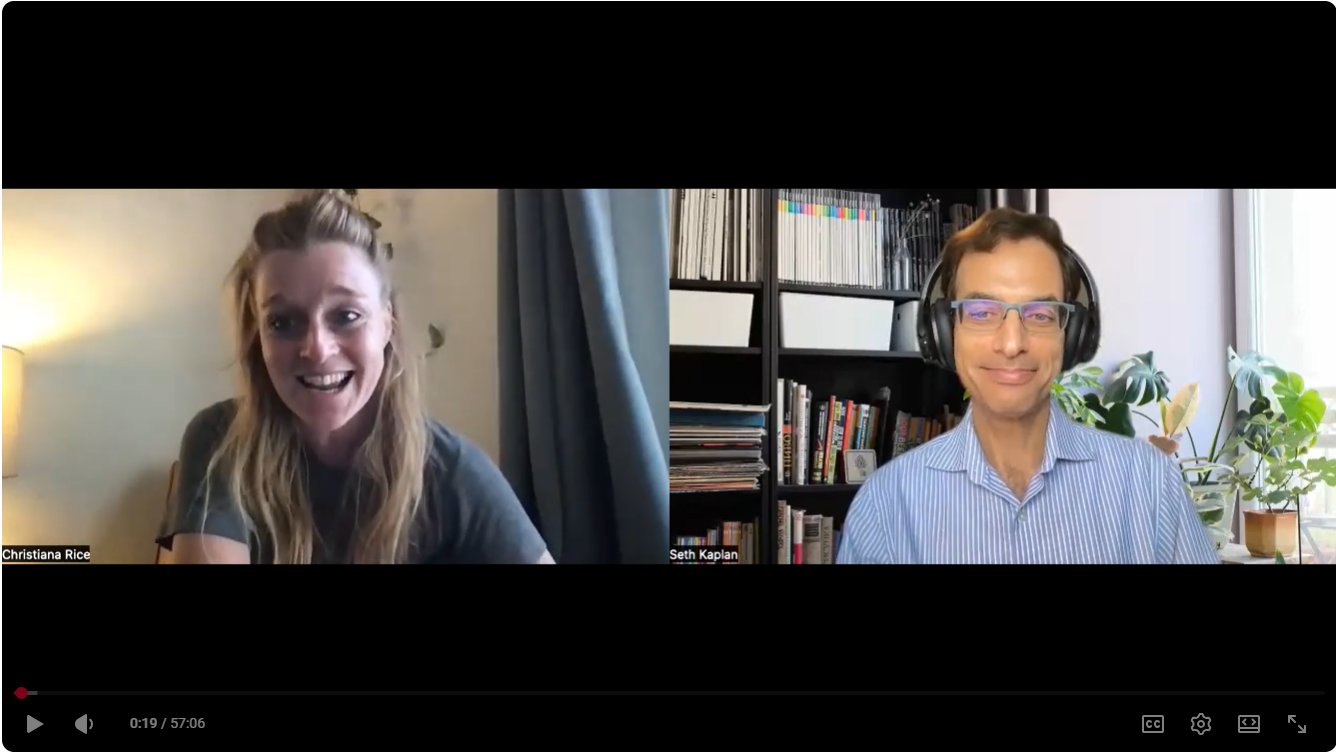
In this Coffee Break Conversation, Christiana Rice sits down with Seth Kaplan, a global expert on fragile states and consultant to the World Bank and the U.S. State Department. Drawing from his international research and his book, Fragile Neighborhoods, Seth explains how faith, everyday proximity, and local institutions can repair our frayed social habitat from the ground up.
What You’ll Hear in This Conversation:
Relationships Are the Real Infrastructure: A community’s strength does not live in its funded programs, but in its everyday relationships. Seth introduces the idea of a "social habitat," reminding us that neighborhoods thrive when ordinary neighbors know, recognize, and look out for one another.
The Power of Casual Connections: Community building does not require making deep, intimate friendships with everyone on your block. Seth highlights the immense value of casual, repeated contact. Waving to neighbors or chatting with a local volunteer builds a protective web of local trust without the pressure of deep vulnerability.
Churches as Local Catalysts: Local churches have the unique structural potential to be the heart of a neighborhood. Seth challenges people of faith to reject the modern consumer model of religion that views the church as a mere service provider, and instead incubate thick relational spaces where neighbors can interconnect.
Global Lessons in Mutuality: Having lived in diverse international contexts, including Japan, Seth shares how Western culture has become hyper-focused on radical individualism. By looking at more relational cultures, we learn that a life centered on shared neighborhood accountability acts as a natural buffer against anxiety and alienation.
Watch the Preview Below 👇
Take the Next Step
This isn’t just a conversation, it’s an invitation. Whether you’re part of a faith community, organizing on your block, or just longing for something deeper in your neighborhood, there’s space for you to begin again. The work of rebuilding trust and belonging is slow and sacred, and it starts with one step.
What does the relational infrastructure of your street look like right now? What is one small, casual way you can choose to show up for your neighbors this week? Leave us a comment below and let us know!
