
Shared Tables in South Seattle
By Kailani West, Rainier Beach, Seattle
A little over two years ago, I inherited a food pantry.
At first, the method was mostly “grab and go.” Most of the 61 residents in the housing complex we work in would come, select their food and leave. Wanting to ensure access, we would also prepare some bags for working families or those who were unable to leave their homes. Transportation for the residents is provided to grocery stores, to farmers markets in the spring, to cooking classes for the students in the community. After conducting a round of community services, we listened and learned that our community has a large health and wellness focus.
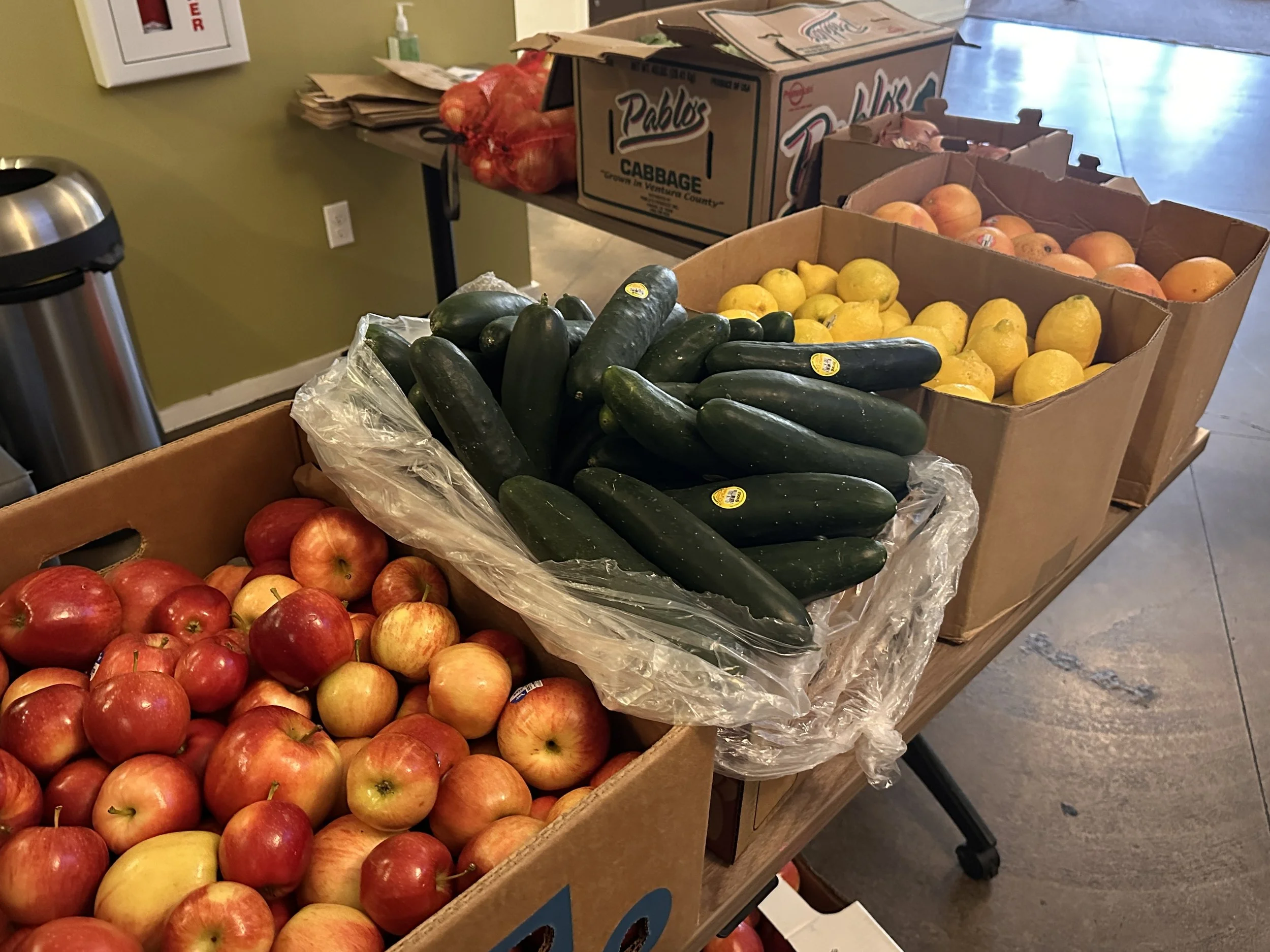
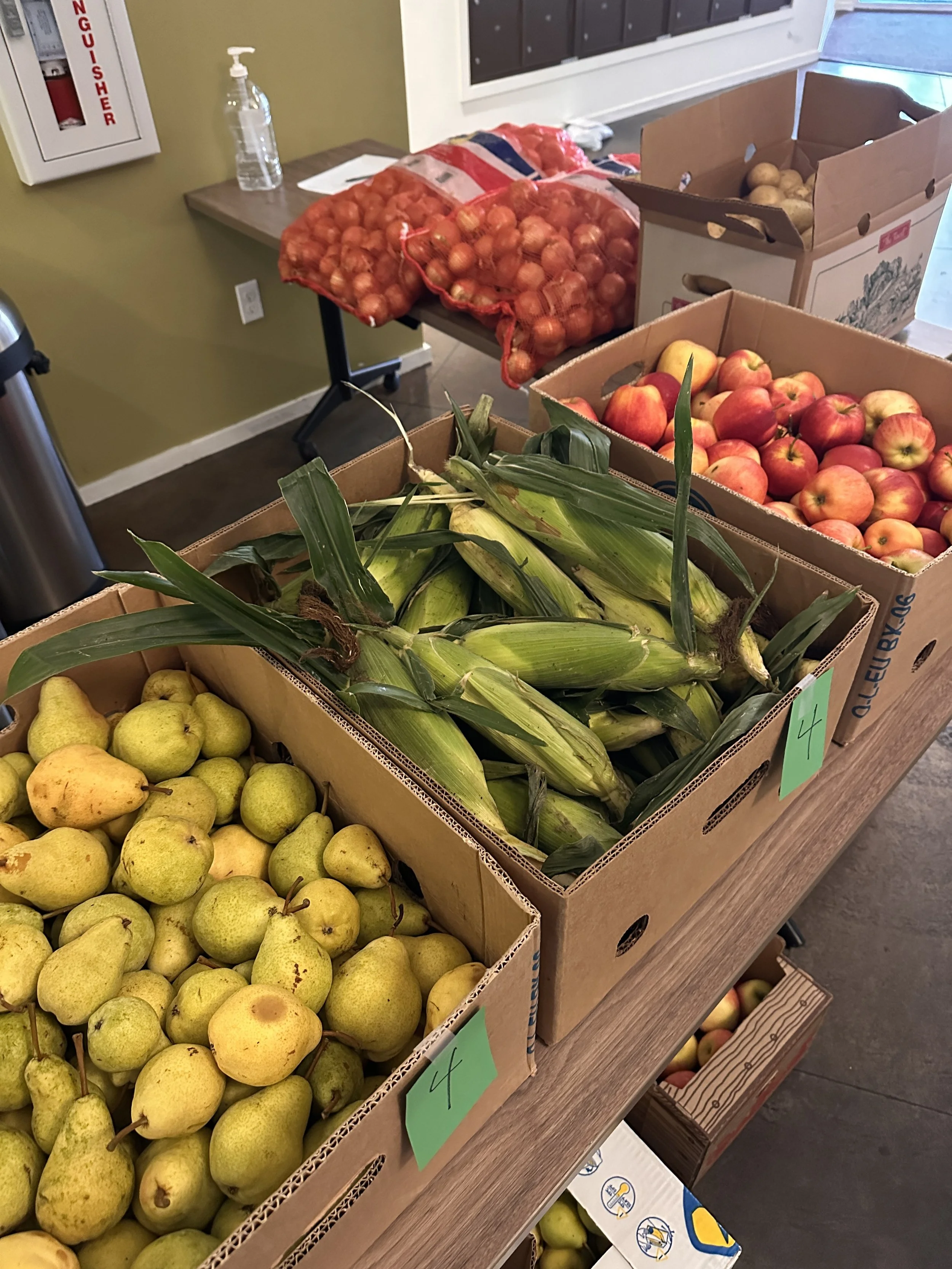
After a while of hosting the food pantry and increasing the amount of food and variety of foods through local partnership, something in the culture of the community changed. We started to receive. We had residents who would arrive to get their produce, disappear back into their apartments, and then reappear within the hour with fresh juice or food to share. It’s now a weekly occurrence for one of our residents to bring us seasonal fruit, Vietnamese snacks and candies.
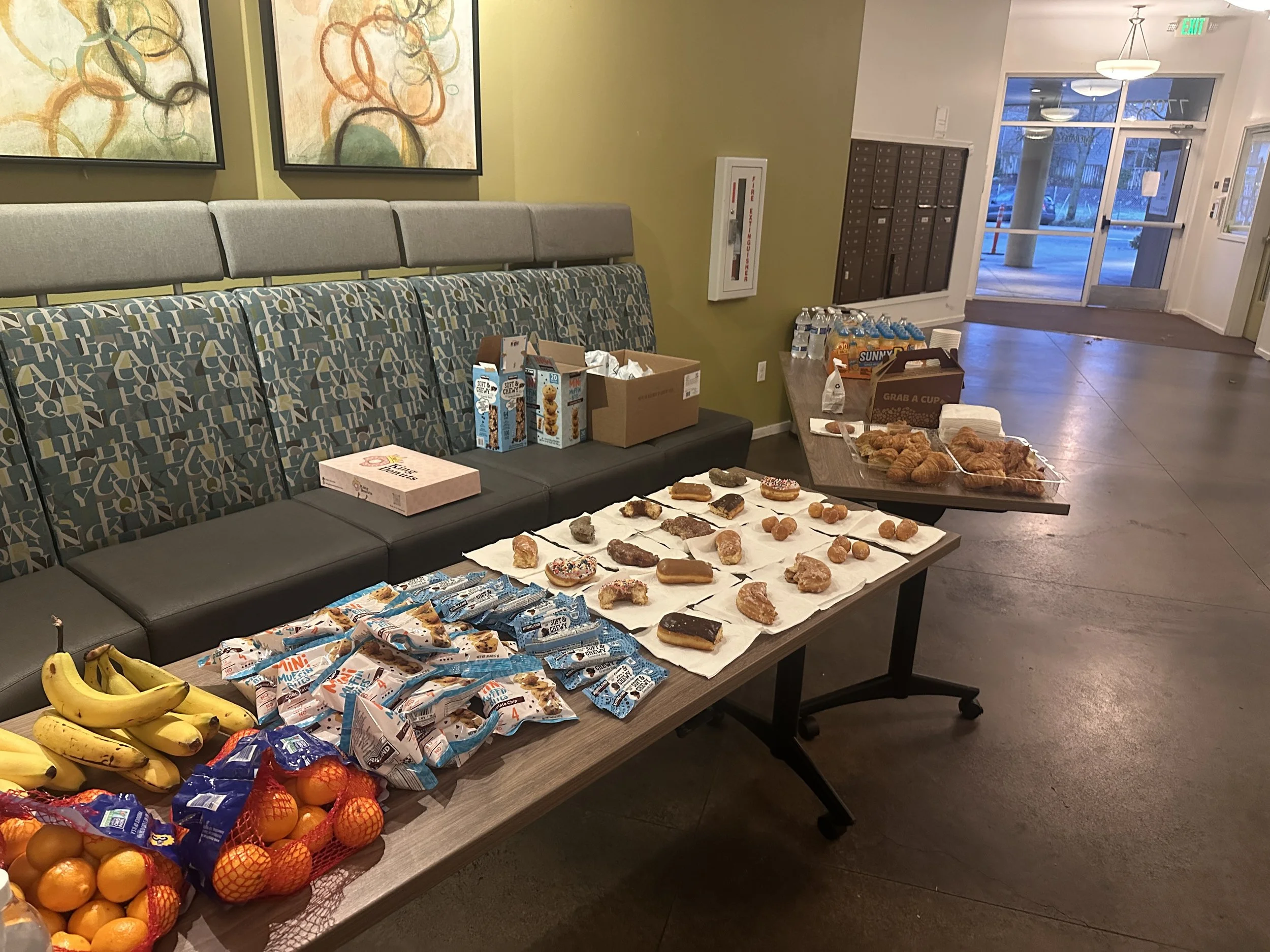
My husband and I both live and work in South Seattle, where this housing site is located. We host a lot of community events, and always with food. These days, that food often comes from our residents. Last year, we had our annual night out with food that represented the cultures of our community: a colorful array of Sambusa, arepas, and pasole, while our resident and friend, Mr. Charles fired up the grill outside in our common space. We were cooking and creating together all day, and in turn, feasted all night.
Over time, the invitation to the table became more mutual. Come and receive turned into come, receive and celebrate. Come and learn from the “arepa professionals” or how to cook with Ethiopian spices. Come for Ethiopian Christmas or come and spend Eid with my family and friends. Come and be with family for the baby naming ceremony. Come to my fathers funeral.
In this community I’ve seen and felt so much love and care in residents preparing meals for one another or packing produce bags for their neighbors. When I’m sick, residents offer me tea and hot soup. About six months ago, I eventually stopped packing my lunch because it would go untouched, because I was being fed by the residents, by my community.
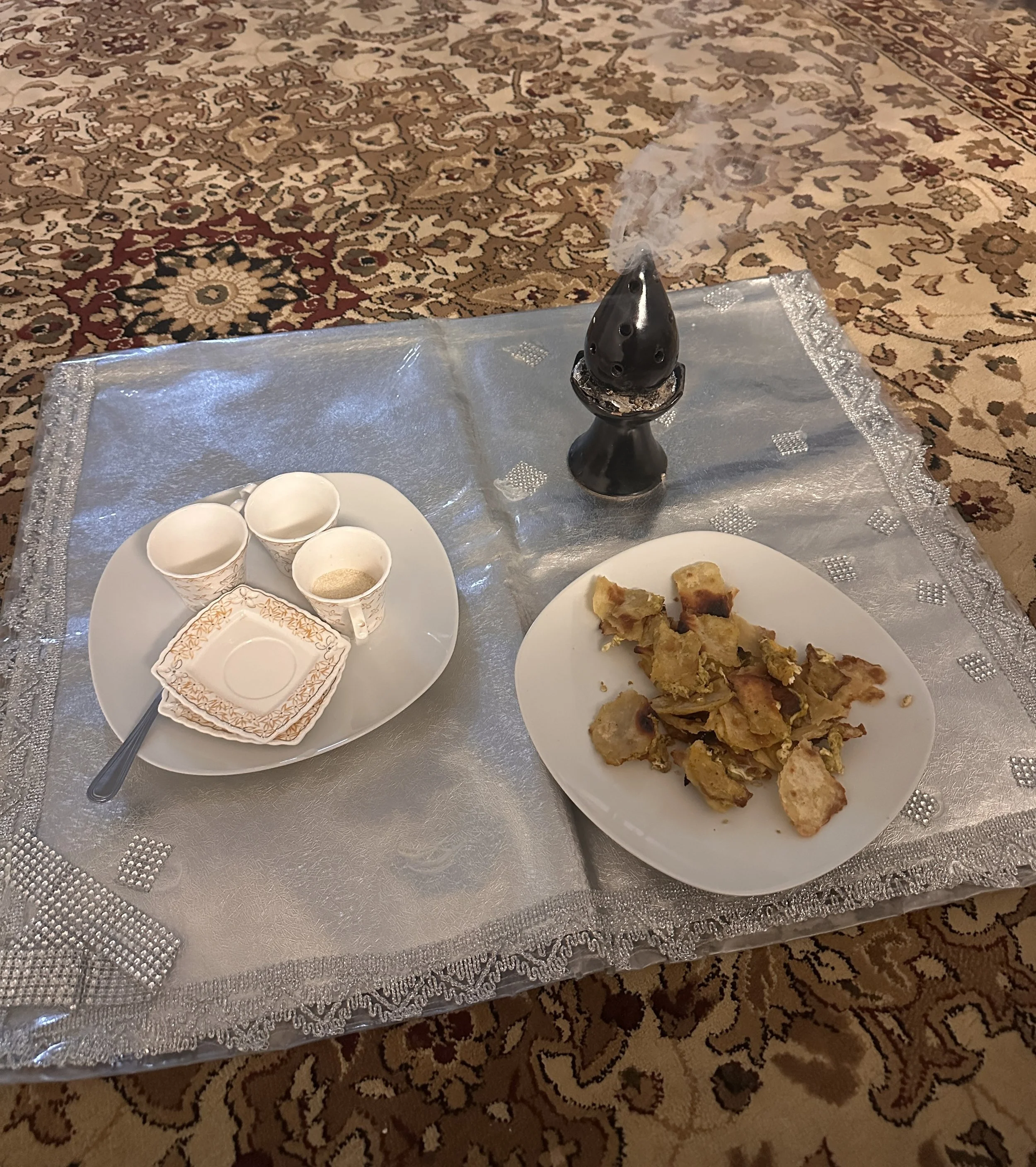
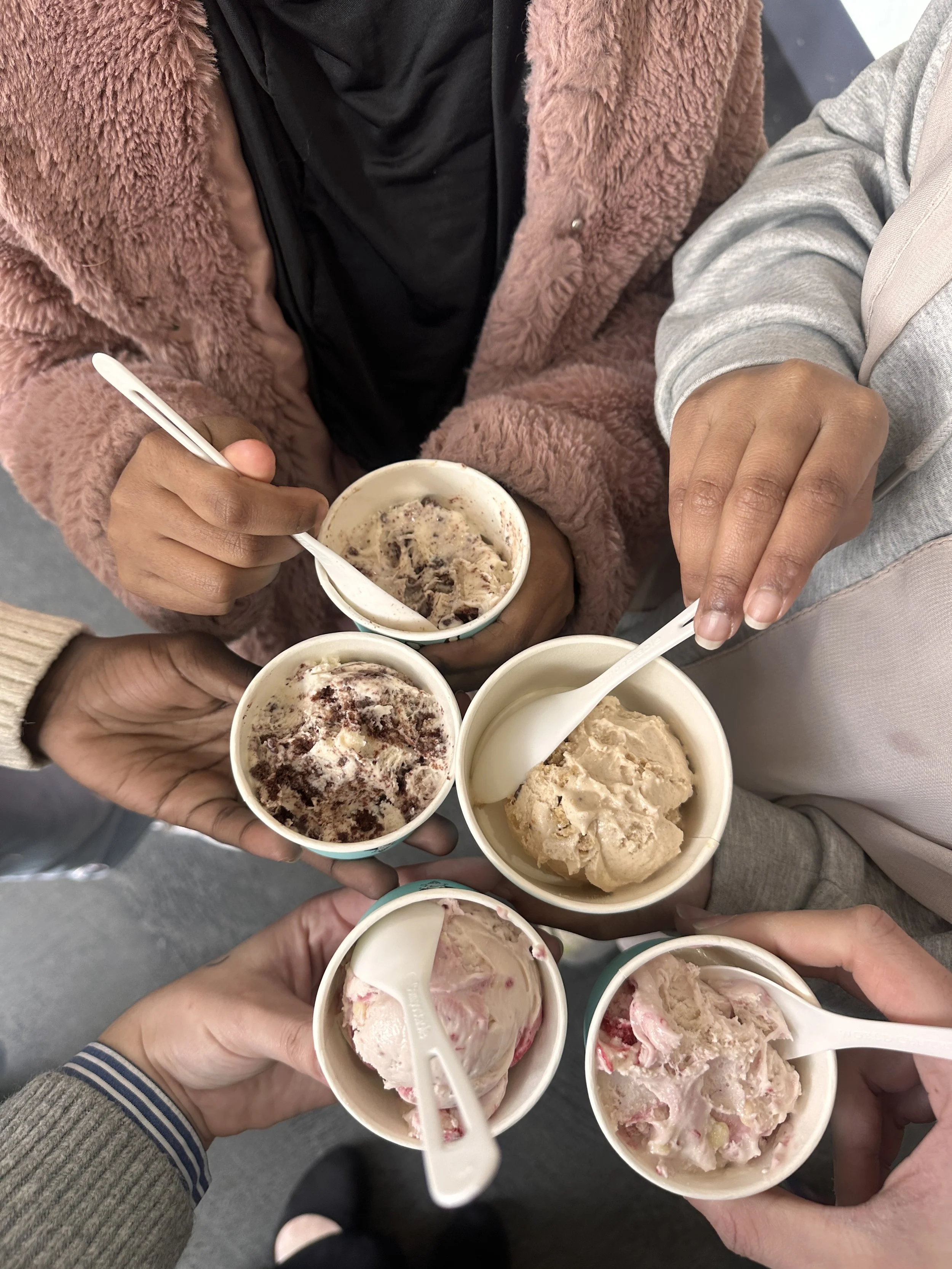
In the time I’ve been living and working here, I’ve come to see that at the table is where people change, and turn towards one another. They turn from stranger to neighbor, from neighbor to friend, from friend to sister or auntie or abaya. Food is about access, and it’s also about neighboring, through the extension of a simple invitation.
